6 to 12 September 2027 · Viti Levu, Fiji

Coast to Coast Fiji

The toughest path through paradise

Five days across Fiji's main island, from the mangroves of the north coast to the South Pacific, camping in villages along the way.

5
Days, north coast to south
5
Stages
24 to 28°C
In September
Villages
Where you camp
£2,800
Entry
The race

Coast to coast, village to village

Five days, one island, no shortcuts

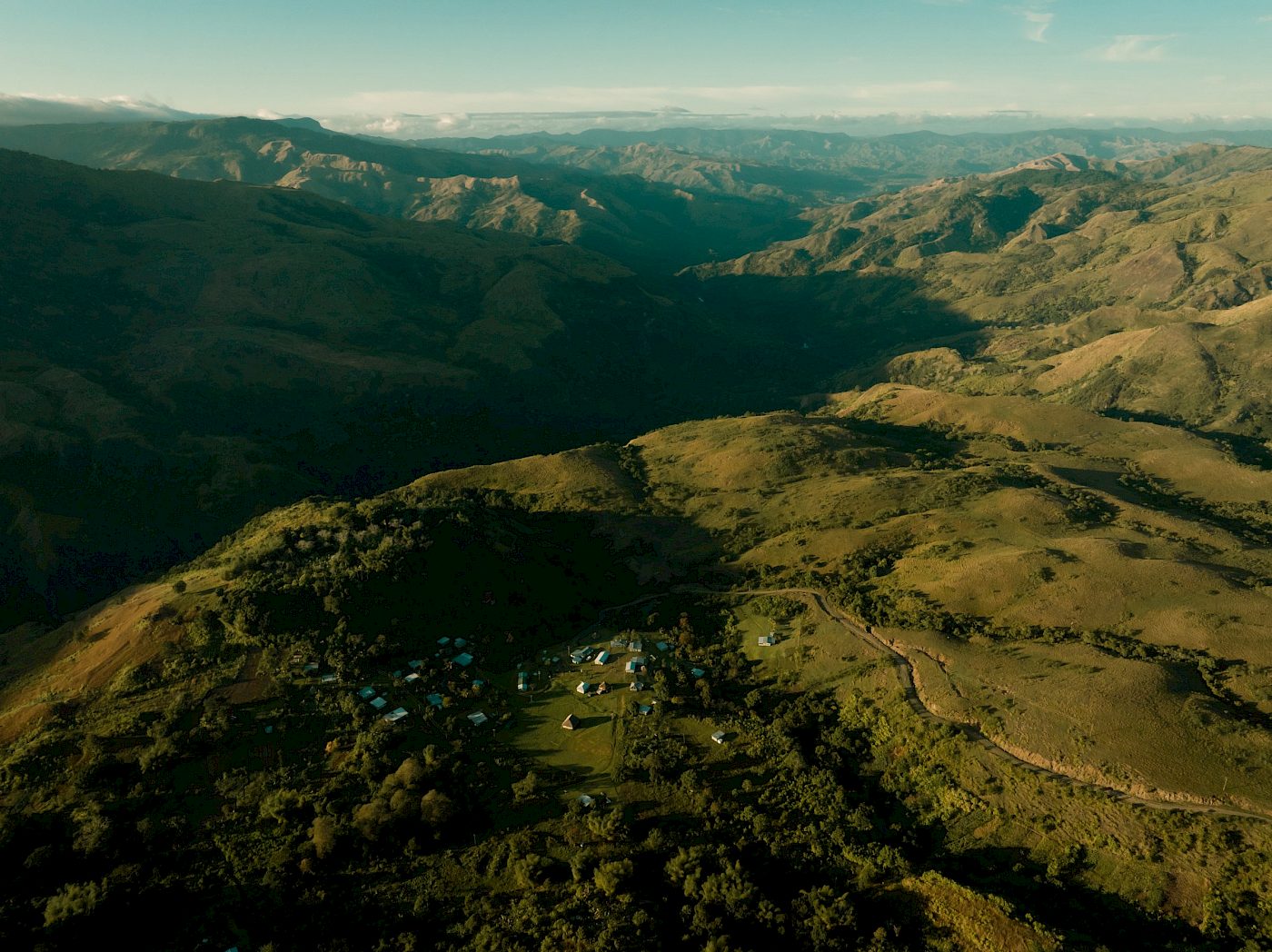
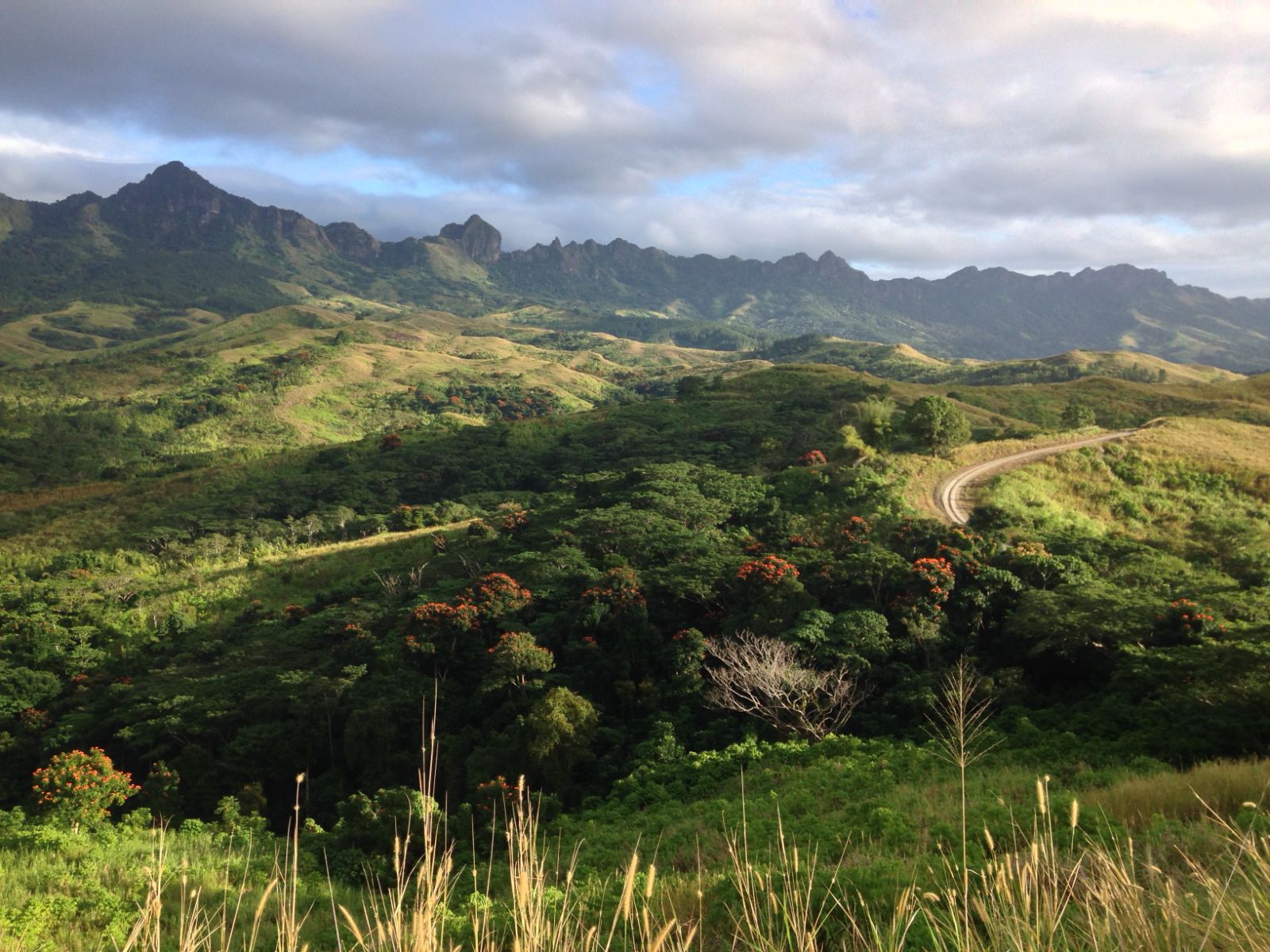
Coast to Coast Fiji crosses Viti Levu, Fiji's main island, from north to south in five days. It starts in the mangroves of the north coast beneath the sacred Nakauvadra ridge and climbs into the river valleys, through the rainforest around Mt Tomaniivi, the highest mountain in Fiji, and across the Nadrau plateau, before dropping to the Sigatoka River and running through Sigatoka town to finish in the South Pacific.

This is the Fiji the resorts never show you. Each night you camp in a village, hosted by the community, with your bag brought on ahead and our medical team and the nightly briefing waiting for you. It's hot, it's steep in places and day four is a monster, but the cut-offs are set at walking pace, so it's as much about the journey as the race.

The route

North coast to the South Pacific

From the mangroves of the north coast near Rakiraki, the route runs below the sacred Nakauvadra ridge, drops into the Wainibuka river valley and climbs through the rainforest around Mt Tomaniivi, Fiji's highest mountain, onto the Nadrau plateau. From there it descends to the Sigatoka River and finishes on the sand at Natadola Beach on the south coast.

Before the start
252 km157 mi · 3,400 m climbing

Nanumi Au, Rakiraki

252Kilometres
157Miles
3,400 mClimbed
4Village camps

Coast to coast in five days

Tap a stage or a camp to see it on the map
The stages

Five days across Fiji

252km and 3,400m of climbing from the north coast to the south, through rainforest, rivers, highland villages and old sugar train tracks.

  1. Before the start

    Arrival, kit checks and welcome

    Arrive in Fiji a couple of days early to acclimatise. On the evening of 6 September we gather at Nanumi Au Eco Village near Rakiraki for kit checks, the race briefing and a sevusevu, the traditional ceremony where the landowners welcome us and give their blessing for the journey across their land.

  2. Stage 1

    To Naseiyani Village

    You set off at first light from the mangroves on the north coast, running beneath the sacred Nakauvadra ridge, where dirt tracks turn to horse tracks for your first serious climb before you drop into the green valleys of the Yaqara cattle ranch and camp by Naseiyani village.

    35 KM · 450 M
  3. Stage 2

    To Savulelele Waterfall

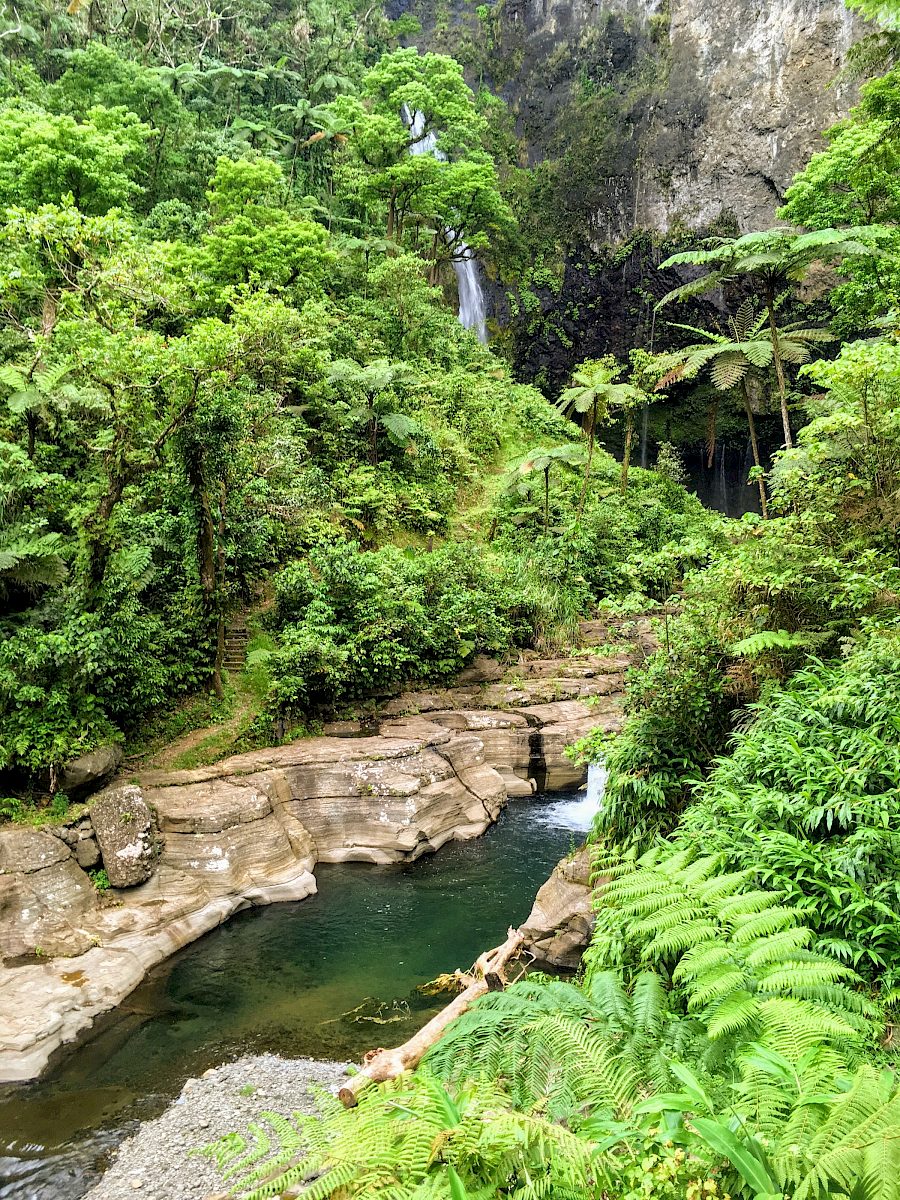
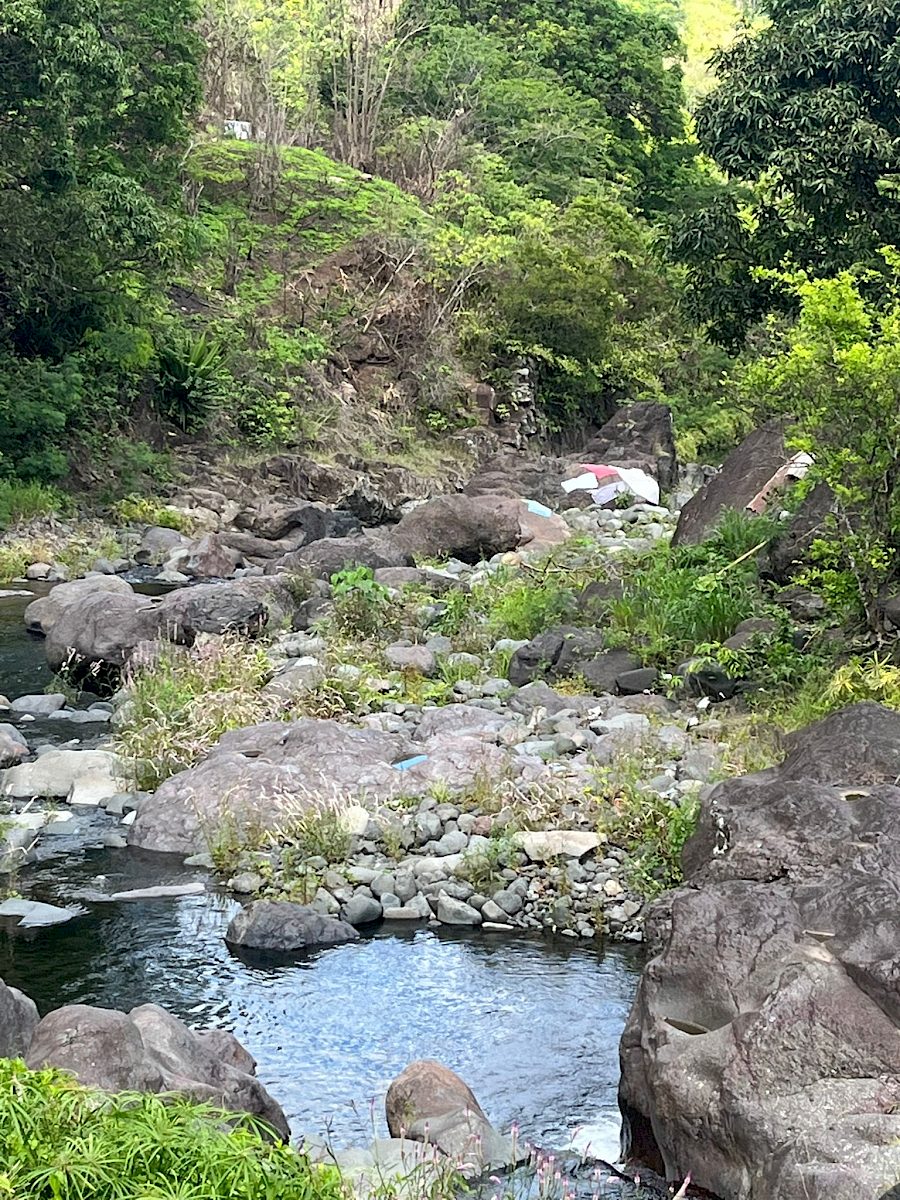
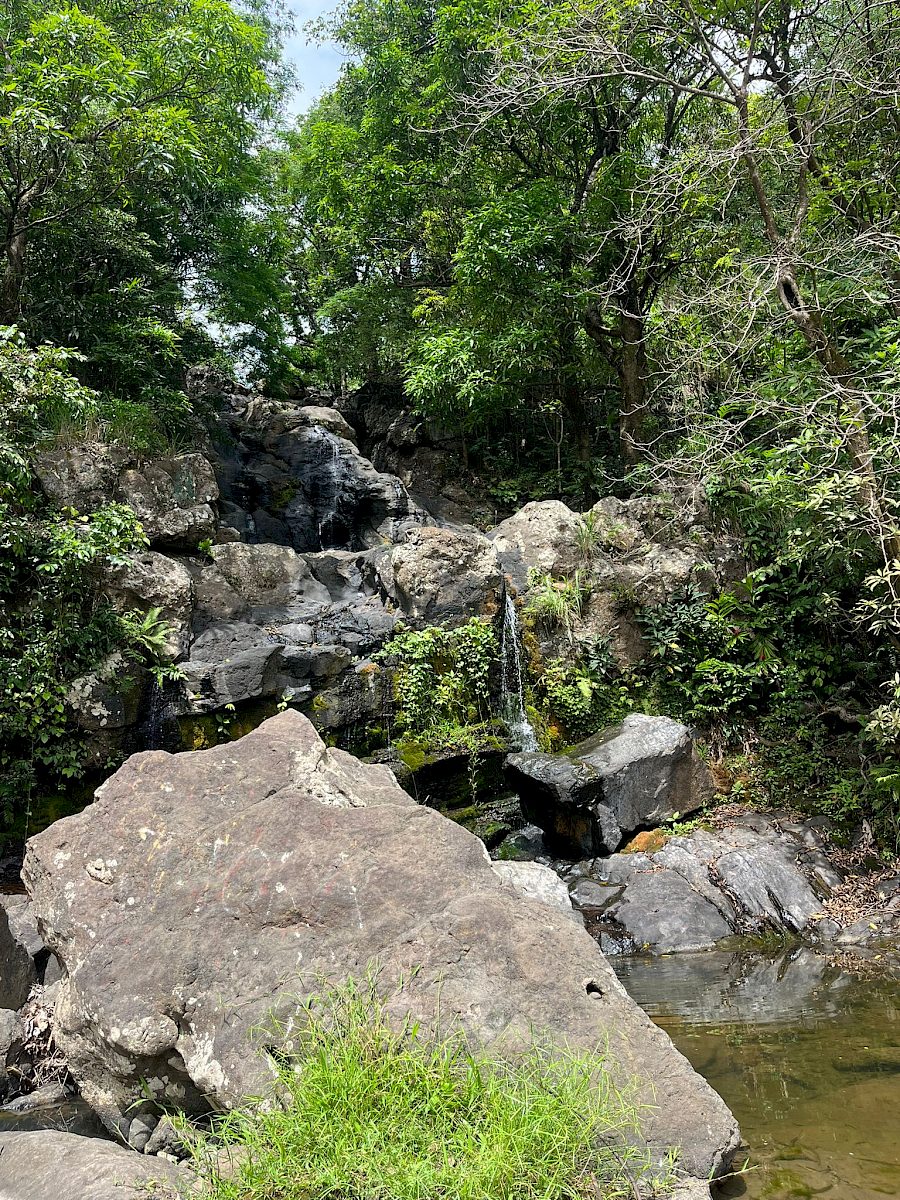
    A tough climb first thing drops you into the Wainibuka river valley, then dirt roads follow the riverbanks over rolling ground to camp beneath the Savulelele waterfall.

    40 KM · 600 M
  4. Stage 3

    To Naga Village

    A steady climb through the dense forest around Mt Tomaniivi, Fiji’s highest mountain, on old hunting trails and logging tracks, criss-crossing streams until you break out onto the open Nadrau plateau and follow gravel tracks to Naga village.

    42 KM · 1,000 M
  5. Stage 4

    To Tavuni Hill Fort

    The longest day starts with a steep descent off the plateau to the Sigatoka River, which you follow and cross to its eastern bank before finishing at the historic Tavuni Hill Fort.

    100 KM · 1,000 M
  6. Stage 5

    To the beach

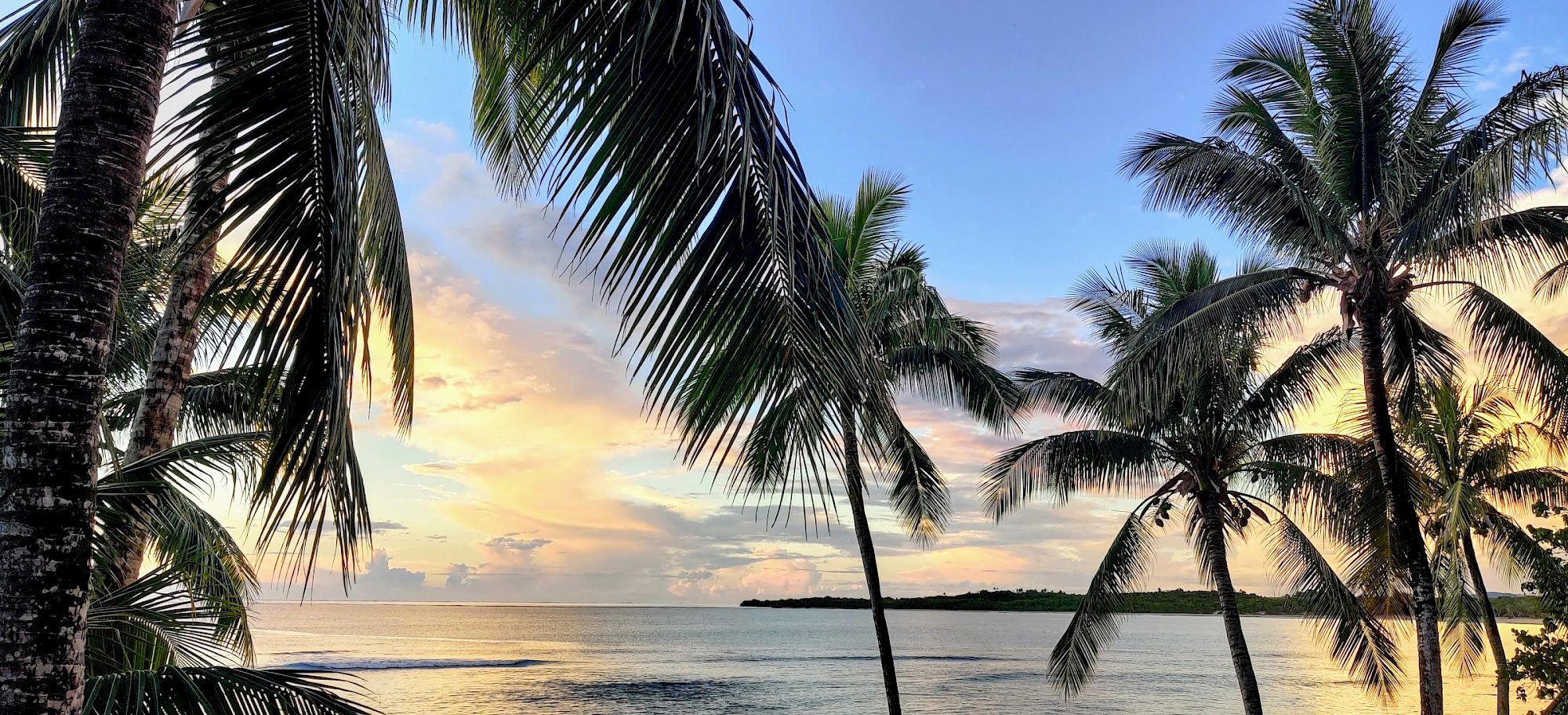
    You pass through Sigatoka town at first light, climb back into the hills with sweeping views of the reef-fringed south coast, then follow old sugar train tracks down to the finish line on the sand at Natadola Beach.

    35 KM · 350 M
  7. After the finish

    Celebrations on the coast

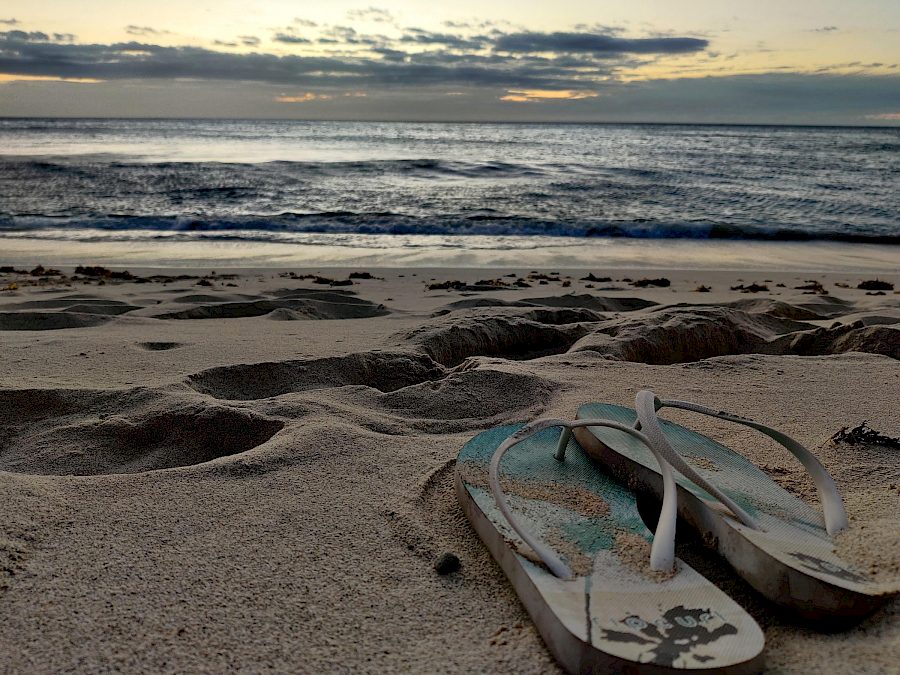
    We close the race with a celebration and awards presentation near the finish on Natadola Beach that afternoon or evening. The InterContinental Natadola and Yatule Resort are the closest places to stay, so book a night or two by the sea.

The finish line is the South Pacific.

What it takes

Paradise, the hard way

It looks like a holiday, and that’s the trap, because heat, mud and one very long day decide who reaches the beach.

The heat

September is the best time to be out here: 24 to 28°C, low humidity and mostly dry days. But five days of it with a pack on your back means you lose salt fast, so carry at least 2.5 litres of water, take your salt tablets and cover up rather than relying on sun cream.

The terrain

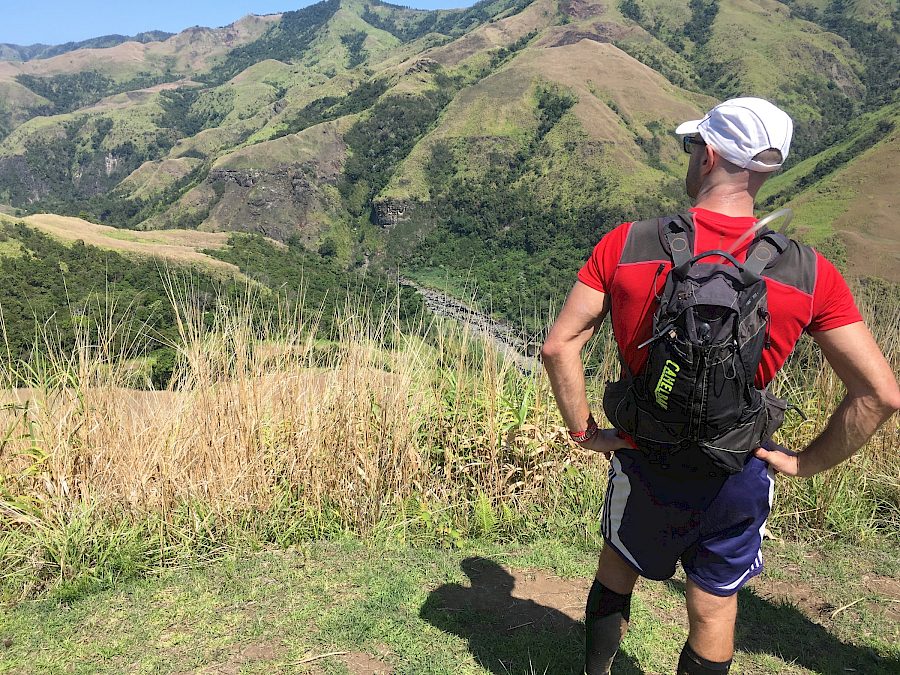
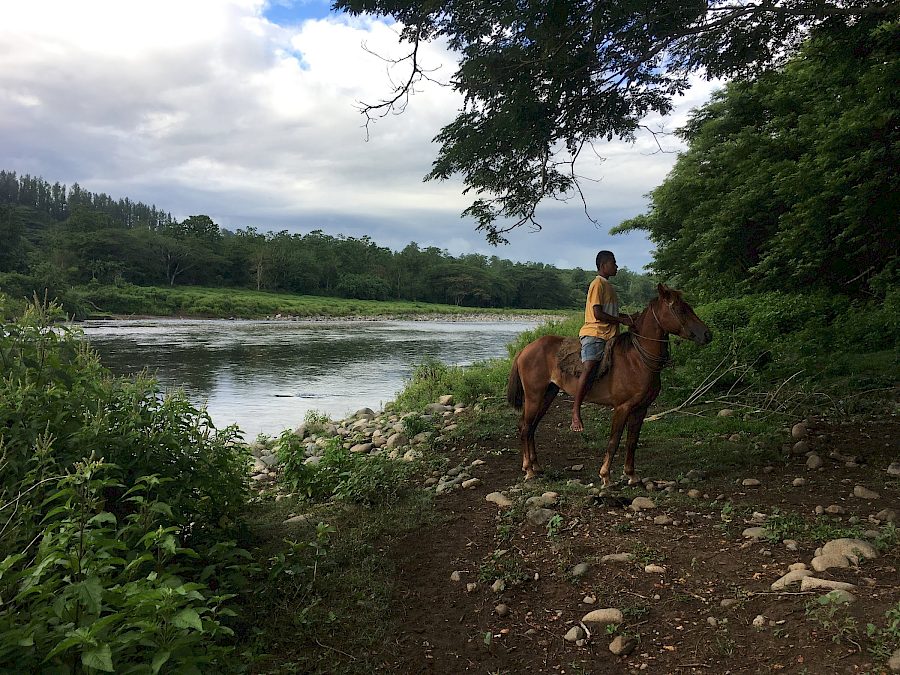
Exposed grassland, tropical rainforest, ridge climbs with ocean views, river crossings, clay mud that cakes your shoes and sandy coastal tracks, often in the same day, so your feet will be wet more often than not.

Day four

100km and 1,000m of climbing, starting with a steep descent off the Nadrau plateau to the Sigatoka River, following and crossing it to the far bank, and finishing at the historic Tavuni Hill Fort. It’s the longest day of the race by a distance.

Support

Hosted by the villages

Village camps

Every night you camp in or near a Fijian village, from Naseiyani to the foot of the Savulelele waterfall and Naga, with space for your own tent and gas burners for boiling water and cooking. Our logistics hub runs the nightly briefing and medical support, but power is limited and not guaranteed out there.

One bag

You get one 65-litre duffel bag for your tent, sleeping bag, spare clothes and food, and it meets you at camp each night. You won’t see it on the trail, so everything you need during the day goes in your 25 to 35-litre race pack.

Respect

The race starts with a sevusevu, where the landowners welcome us and give their blessing for the journey across their land. Some camps and checkpoints are hosted by remote communities, and we brief everyone each day so we’re always respectful guests.

24–28°C · 4 VILLAGE CAMPS · 65L DUFFEL · 2.5L WATER MINIMUM · 3MPH CUT-OFF PACE

Kit

Packed for paradise?

In Fiji you’ll get wet every day, from sweat, rain or river crossings, and the kit that gets you to the beach is the kit you’ve already tested in the heat.

01

Feet and clothing

Choose trail shoes with deep lugs of 5mm or more to cope with the clay mud, and long synthetic or merino socks to stop grass cuts turning into infections. Skip cotton altogether. Wear light-coloured tops that cover your shoulders and a brimmed cap with a buff, and keep a dry change for camp, with sandals to let your feet breathe.

02

Water and salt

Carry at least 2.5 litres between aid stations and don’t try to save weight. Salt tablets are non-negotiable, because cramping is the biggest reason people drop out of tropical races. Pack high-sodium electrolytes, some salty food for when gels turn sickly, and purification tablets or a filter, as stream water always needs treating.

03

Your pack and your camp bag

Your 25 to 35-litre race pack, with a waterproof liner, carries the mandatory kit all day: a headlamp and backup, a red flashing light, a bivvy bag, a blister kit and reef-safe SPF 50+ sun cream. Your 65-litre duffel takes your tent, a 0°C sleeping bag and seven days of food at 2,000 calories a day. Bring the food from home, because you can’t buy freeze-dried meals in Fiji.

We check every mandatory item at Nanumi Au the evening before the start, so bring copies of your passport and insurance in a clear plastic folder, and train in your kit until the heat holds no surprises.

FAQ

Questions

September is warm but comfortable, usually 24 to 28°C with low humidity, mostly dry with sunshine and the occasional light shower.

Coast to Coast Fiji

September 2027 is open

£2,800 for five days across Fiji, village to village, finishing in the sea.

  • 6 to 12 September 2027
  • Entries close 6 July 2027

Get the dispatches

Race news, entry openings and the odd story from the ice, sent when there's something worth saying.

We'll only email you about 66 Adventure, and you can unsubscribe at any time.